Valentina W. Mwazange
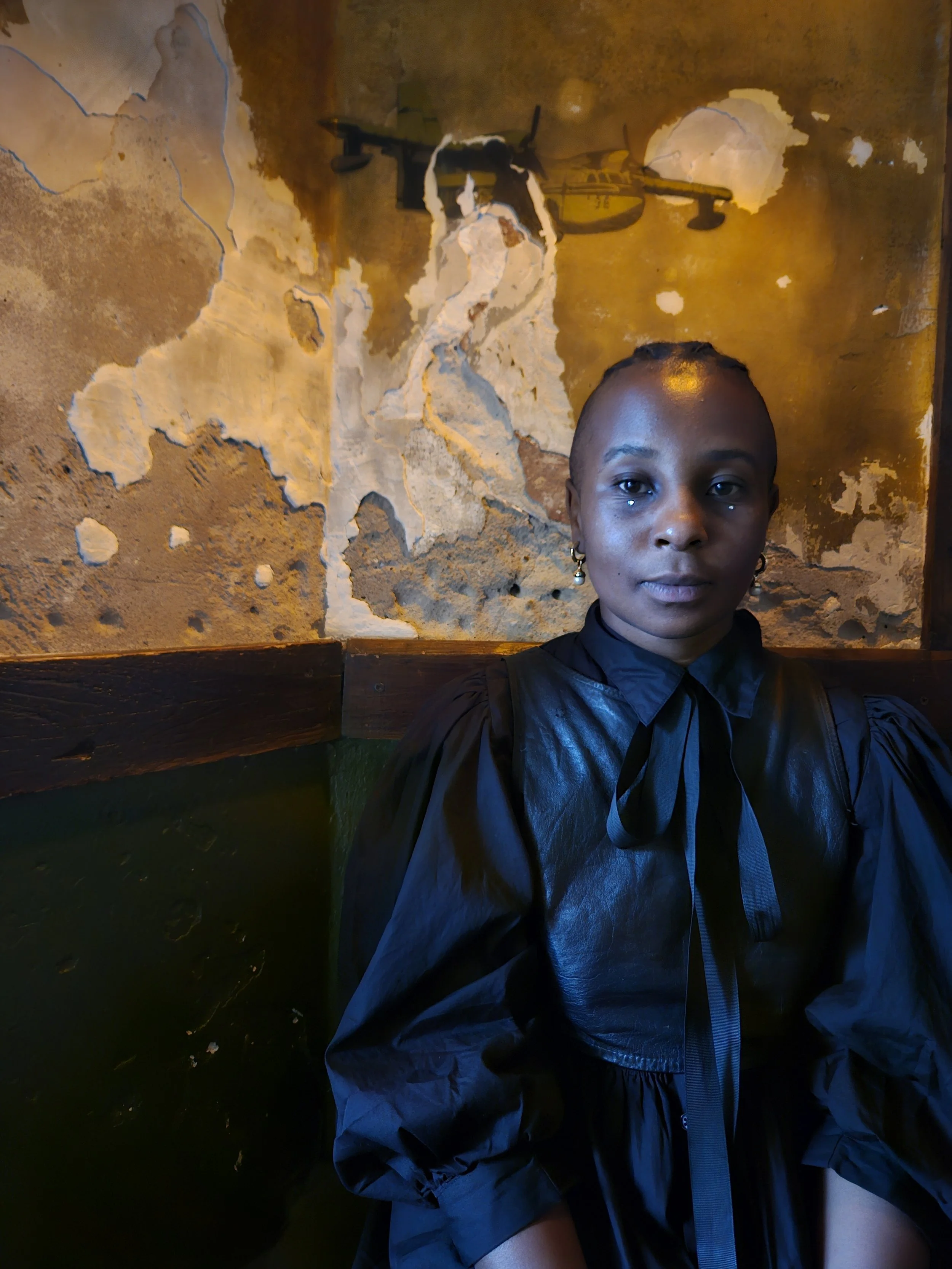
Welcome to another other ways of seeing conversation. This one is with Valentina W. Mwazange. She is a freelance creative producer, but she's also a speaker, a writer, a poet, a painter, a filmmaker and a photographer. She's an amazing multidisciplinary artist.
We met at the UK Creative Festival in Margate in 2025.. shout out to Dina and Jeremy Green for putting it on every year, it’s an amazing festival, and I urge you to go to it. At that festival, she told me about the art that she made as well as being a producer at the time at BBH. Since then she's gone freelance and is spending more focus on her art and herself, which is very exciting.
So our conversation started with where she grew up, the pull to nature and art, her poetry, and how production or just being a producer.. the skills that you learn is so helpful as an artist. We talked about her studying politics, international politics, her general duality in life, which I think we're all kind of familiar with, I think. Not her duality, our own dualities. We talked about her process, the different medium she uses. Also about her collaborating, especially with her contemporaries in the advertising industry. And we went into her new project about female rage and PMDD (which is PMS on steroids) and ended with her telling us about how we should make art for art's sake, which is very good advice indeed.
A quick word about our sponsor.. Hungryman is a global commercial production company with offices in London, New York, Los Angeles and Sao Paulo. Hungryman's work spans, blockbuster spectacle, sharp comedy, and emotionally driven storytelling. Check out their website, hungryman.com, where you'll find all the amazing work that they do, making art, dance activist pieces, films, and musicals as well as commercials. Thank you, hungry man, for believing in this project.
Right.. back to our conversation with Valentina.
Mel: There’s something about being in nature, isn't it? It just restores everything, doesn't it?
Valentina: It does, and like I grew up in the countryside, so it feels every time I do that, it kind of just feels like a return to something that I'm super familiar with, and it's like, it's a nice kind of nostalgic feeling too.
Mel: Oh, lovely. Where did you grow up then?
Valentina: In Bedfordshire.
Mel: Okay. But then you, but you come from Kenya, right? Is that.. your family's from Kenya?
Valentina: Exactly. So I'm also Kenyan I was born over there. We came over in 1999. So I would have been like 3, I think. And then I spent the majority of the time in Bedfordshire, and then I went off to Portsmouth uni, and then straight from that, I came back… I came to London.
Mel: Right. And so you've been pretty much urban ever since.
Valentina: Yeah, I mean, yeah, I would say so because it's now been 7 years of living in London. Yeah, very much so. And it's like, I love it, but I do, I do get pulls to either go to the ocean or go to a forest or something, so I do need to have like regular visits.
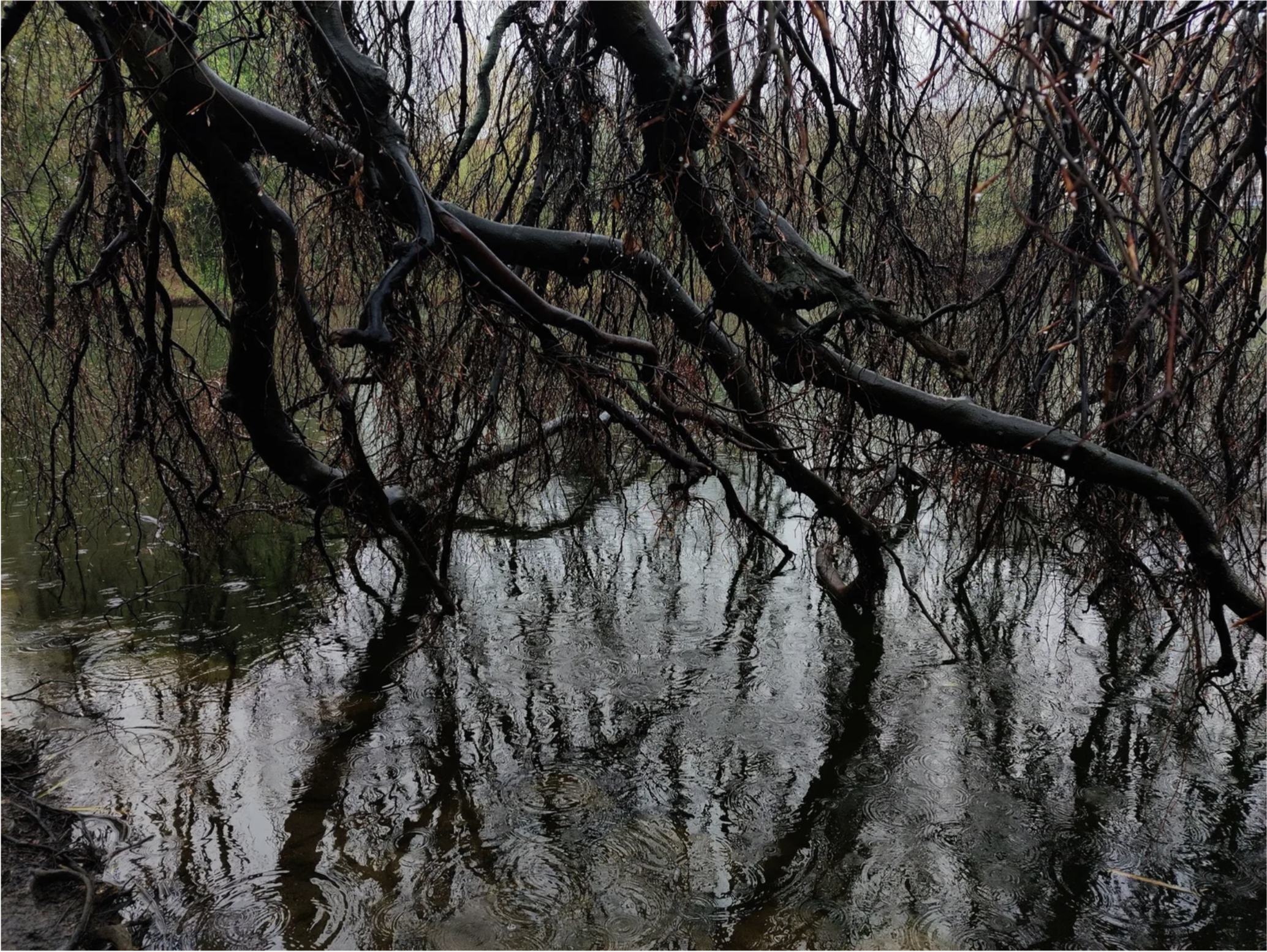
‘Untitled’ - Valentina W. Mwazange
Mel: I think it's so healthy as well. And it's a bit like art really, you know, it's like you need some kind of… you need to look at it or you need to use it to kind of keep you level. I mean, I'm talking from my personal experience. It's it's almost, it's funny, isn't it? Nature, and art and creativity, all sort of, can create the same kind of feeling in you of togetherness or, there's something about it, isn't it? They're just like, you have this urge that you have to do it.
Valentina: Well, yeah, I feel those things are kind of like super significant because it's like, it's just like how you express.. It's not any like how you express yourself, but it's kind of like how you demonstrate that, you know, your life isn't just like work and numbers and like formulaic things. It's kind of like, you know, your life expression comes through from your appreciation of nature and how you engage with art and how like you kind of like the two feed each other because I kind of see it as cyclical. I feel like, I'd be surprised if people's way of like being able to just like assess what's in their like body isn't kind of hand in hand with something that isn't nature or art orientated. I know everyone like gets their influences from different places, but I feel like those are just like integral pots.
Mel: Yeah. I mean, like, why is it not enough, though? Do you know what I mean? Why is not going to work and especially working in a creative industry.. why isn't that enough? And even like people who I work with and I represent, you know, directors who are incredibly creative and, you know, take every project on as a piece of art, they still have to make their own stuff or they still have to… they have to make other things that, maybe fight the system as well. But this is the system that feeds them, so it's it's really interesting. And I mean, I don't know, is that with everybody? This is, I guess this is this project really, is to kind of figure that out or just talk about it, really. But, Is that with everybody? What do you think?
Valentina: I would say like generally from the reads of the people that I engage with, like, yeah, definitely. If anything, like that's like the question that all of us are trying to answer in one way or another, and I think, you know, things like this podcast just helps you kind of work through those questions in a way that you don't feel so alone because it's strange how we can all feel the same thing, but then it can feel quite like, oh, is it just a me thing? Like, maybe I'm just, you know, not embracing it in the right way, but when you take a step back and you actually speak to people, It's like, oh, no, like, there are things that they feel like, they either can't say or can't say it in the way that, you know, can be super public facing, but then at the same time you're making something to be public facing. So I think it's probably just got something to do with the fact that a lot of the things that people actually want to make. At some point it's come from something completely personal, right? Sometimes the personal thing isn't the commercial thing, because I know, for example, like commercials, or just, you know, the creative agencies as a whole, tend to shy away from certain subject matters, and understandable because they probably just don't want, you know, to create some sort of like a mass, like, everyone feels a bit down because of like seeing certain topics, but it is a part of life, and I feel like whenever something profound has happened in a creative's life they do want to display that, but maybe the sort of like formulas in the systems that are there might not be the right like spaces for them. And so then, yeah, then you get the split artist, some of them commercial facing, and then the actual, like, authentic artist.
Mel: Yeah, I mean, with you, I think, when I look at your work… I was reading some of your poetry and stuff, it's really quite dark.
Valentina: Yeah, it is.
Mel: And it's really interesting because I've obviously met you before and we've had a coffee and you're, you know, you're very positive and you've got a big smile on your face and you talk about really positive things and it's wonderful and also the hosting that you've done. There's loads of amazing feedback from other people who've been saying, you know, you were a force of nature and it's all really kind of like, sunny and wonderful. And then I was reading your poetry… I was like, shit the bed. This is like quite dark and is this the truth? Like, there's really just, I find it so interesting and fascinating to see like this is a duality. But then does that duality.. you know, affect the, you know, the people facing Tina.
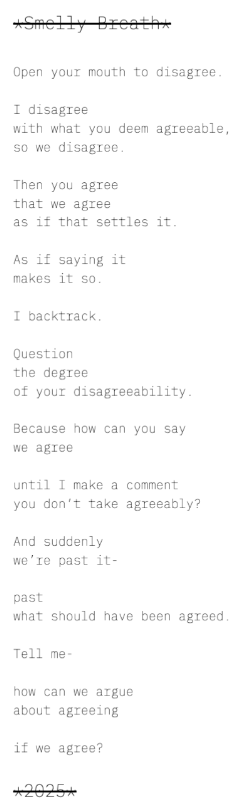
Valentina: Yeah, no, that's it's funny because I get that quite a lot. And it's interesting, right? Because I've, I've always seen my craft as something that's going to evolve throughout my whole life and I, even though I say something might be finished, I never view it as finished, I always see it as like a jumping point or like a framework that another piece of work could be borne from that. So a lot of my poems, yeah, do tend to head to more of the macabre kind of like raw, like, you know, intense feelings, and also just like, you know, reflections on certain topics that are just more.. they do require more of you to be able to like process and like, explain them. And though, like, it is completely, a part of me, I think it's that, it's kind of, this duality that I have, as a person, I think, is represented by, yeah, by the art that I do, because a lot of it, you know, I've got a lot of things that are in the pipeline that are way more like comedy focussed or like comedy horror focussed. I love that, but I always say there's like a fine line between like comedy and horror. And so I, like, when I get, like, when people read my poems, I get so many different reactions, some people are just like, wow, that's really touched a part of me that I've only really like spoken to myself about, or, you know, that's identified something that, you know, when you like put your finger on something that other people couldn't find a way to like contextualise and actually bring to life, and it's like you've said exactly that. And equally, I've had people be like, you know, just completely burst out laughing after getting to the end of that because they're just like, that is so absurd. And I'm like, I know, that's kind of the point of it because it's like, there are certain things that I do speak about that requires some level of like patience and sitting with things. And there are some things that I just think are best explained by being completely hyperbolic, and that is kind of like, you know, the narrative language that I want to build in that world, that poem, or like that artwork has created it, and it, it gives me joy to see the reactions of people, especially when it's like, fuck, that was intense, and I'm like, yeah.
Mel: Yeah, it really was. It really was. But it's really, that's cool that you're also sort of moving into comedy and because, I mean, dark, you know, comedy comes from really dark stuff and talking about it and it's almost kind of like you've got to laugh about it. It is an emotional reaction. So I can see that. I can see that you're doing that and where's that coming from? And where's that, like, where's that manifesting in? Is that film? Because I've seen… since I've met you, your website's kind of like evolved, it's become, there's so many more facets to it, so many more different types of mediums in fact. And I was looking at your films that aren't out yet, and I was just interested in like maybe talking about them because I haven't, you know, I was like, oh, okay, there's a new bit here..
Valentina: That’s true. Yeah, there are, like the films, yeah, the, I do just need to do like a screening of just all of them in one go because I am notoriously bad and I think this is just like the producer in me at, you know, making things, being really happy that they've been made. And then moving on to the next project. And so it's just like, there's like a collection of things that have been building, and I think that's also why because that I kind of like, put everything out, um, not really in one go, but it was one of those things where I told myself, I was like, right, you need to stop just harbouring things and leaving them in your hard drive, and you actually just need to start. A, like, creating a hub where they can exist, and then B, actually just putting them out into the world and seeing like what happens because.. the comedy things, yeah, the medium that they'll take is kind of split between two. I want it definitely to be more of film side of things. However, there are two things that I think could actually work better as like, um, art performances, but like physical ones, right? And, and they could be, they could have a film element in them, but I saw two of them as being something that is actually like can be performed by people.
Mel: Oh interesting.
Valentina: This is the thing, because I know that, when people like train to be a producer that you're kind of like, okay, you produce this one thing, but when you speak to any producer, once you know how to create like, you know, one or two like different things, the formula and how to actually do stuff is there, and I do wholeheartedly believe that any producer can pretty much produce any kind of physical thing or digital thing. And so with me, like having the creativeness has always been there, like having this producer framework and really building on that. It's kind of just enabled me to be able to be like, right, I want this look like that, and I know how to do that, and I know who needs to be there in order to be like, this needs to be that kind of medium. And it's really kind of pushing for that. So the comedy stuff, yeah, it's definitely things that some of them are just so ridiculous, but, I… my whole thing is that all of the things that I do, the core of it is that I'm trying to bring texture and sensation back to the things that we take in artistically. And so everything that I've made, whether it’s very dark poems or very chaotic artwork or very intense and patient and slow films or all of these things, they're very much created with texture and sensation in mind. So I'm like, if you've felt something visceral from it, then I've done my job.
Mel: Brilliant. And coming back to sort of the production part of your duality, like the professional, I guess, in a way… Has that practice allowed you or given you permission to just do anything because you're able to kind of produce stuff for other people, for other creative people? And there is something about advertising, isn't it? That you realise that anything is possible, that you can make things work for you. I mean, obviously money, time, all that kind of stuff really, really helps, but it's almost like a practice, right? Actually the production part of it. And also having a creative mind really helps, I'm sure, too in the production, in the fact that you find a way, a solution to make things work. But it's really interesting to hear that the production side of it really affects.. has given you a wider range of making.
Valentina: Oh yeah, massively so, massively so. And like, if it was like a sign of like encouragement to someone.. I’m not saying that everyone needs to become a producer, but I feel like if you're creative, it will only be at your benefit to get some level of like production, knowledge, experience because, for example, I was working with a young director last year on a fashion film. This is also separate to my… because, okay, my day job is like agency producer, but from time to time, I will also I guess like production company produce, but more for fashion houses side of things. So it was a young producer, it was a young designer, he's been getting a lot of traction, and I thought this would be really interesting, but he, you know, we had some more senior heads of department and then just more junior. And his understanding of the process was really, really great to see him be so engaged with the production side because then when he went on to do one production in his own right to help out one of his friends. I remember the message that he sent back to me and he was like, “I will never underestimate a producer again”.
Mel: Hello.
Valentina: Exactly. And he was just like, this has just made me think in such a different way about everything that I do. And I'm like, exactly. Like, for me, the production side of things has really, because, you know, when I, before I came into this, it was like, okay, I have all of these creative ideas, but I don't really know what to do with them, and it was just understanding a way through them. Now having gone through the producer side of things I don't really fear like, you know, budgets or asking hard questions or, you know, being cheeky or, you know, finding new ways to do something, building new ways to do something, because I guess when you have that sense of like passion and fire and you're quite spirited, other people absorb that in a way that they think, oh, maybe shit, maybe I can do this, and then they start to think, okay, maybe there's clever ways around this and maybe there's, you know, more things that we're not looking at. And then before you know it, the big hard thing that you were trying to solve has already been figured out. And so I just try to take that energy and apply it to everything, whether it succeeds or fails or whatever, it's all in the pursuit of doing something creative.
Mel: And I guess it also comes down to you. Like, you can do it. You can, knowing that you can. And I think that's, it's such a sort of creative hill to climb, isn't it, for a lot of people, for a lot of artists, like you have an idea and how that, how that is produced, how you can get that out, and you know that you can do that yourself, and you can bring in people and you can be cheeky and ask for favours and stuff like that.
Valentina: Yeah.
Mel: But lots of people don't, you know, and it's really wonderful to hear from someone who can go, you know, no, no, you can do it. I can do it for you. I can do it for myself, you know, it's really positive and amazing and and it's really good to share. And so inspiring other creative people, other artists. It's a wonderful thing.
Valentina: It’s really exciting and it's one of those things where, you know, the world is shifting and shaping in different ways all the time. And I think, you know, there's there's one angle of it and it's like, I understand the benefit of people becoming more makers and being more like tech savvy and actually understanding their presence like in front of the camera as well as like operating it and how that can be a benefit to all artists, but equally, if you don't want to be, you know, that way technically inclined and you want to focus on your like craft and bring people in that side. I just think, maybe just, you know, learn the production process or learn, you know, or get somebody who does understand it and it can relieve so much more. You know, stress and tension to the point where you're forced to have to follow your dreams because you don't have an excuse not to anymore.
Mel: Yeah, no, completely. And on that, I mean, because you have so much more on your website. Is this a shift? In your direction? I mean, because you've been producing for how long have you been producing for?
Valentina: Yeah, just shy of about 5 years now.
Mel: Is this a little like.. okay, I'm gonna put more energy into like, I mean, there's so much more on there. It's kind of extraordinary really and wonderful. One, how do you find time? And two, is this a shift?
Valentina: I think so. I'm excited by it because I've always seen the different parts of my life and career as like chapters because I've crossed a lot of different industries. I mean, I'm like, I'm 30 now, but the thing is, like if I think about it starting, I started work when I was 13 and I was like constantly just been going into like different frameworks and different industries and like I'm, you know, very grateful to be in this one at the time being, but it's all informing the fact that I'm like, oh, you're actually equipping me with the tools to not only know how to do this from, you know, the business angle, but actually just to be like, hmm, maybe let me.. and it's exactly that I think. I feel a lot more confident in just throwing myself into, you know, these like open calls or, you know, engaging with directors of like any level just to see whether they need somebody to do… whether it's the producing or have…usually I start with the producing. And then I kind of allow the people to see whether I can be helpful creatively and then that is usually the shift too, because I've helped some people, beginning with a production front and then they've kind of gone, maybe you should be in the creative side of this. So then it's like, if they're the ones that suggest it, it's kind of like, okay, so you understand that there is a level here that is extremely logical, but then I can contextualise a lot of, you know, abstract random things into something that is, you know, explainable. But I think I had to do the creative bit first, and then the production bit had to kind of come now. And so yeah, a shift… Hey, who knows? I mean, I've got a I'm artistically managed by the brilliant Katie Millington, who's an EP, so it's one of those things where I'm like, who knows?
Mel: We’ll see what happens. Oh, it's amazing. But it's interesting, so you, you wait to be invited, obviously, to be in a creative… to have a creative voice in a project. And obviously that is as a producer, that's, you know, that's probably quite lovely.
Valentina: Yeah.
Mel: But your actual work, which you can control and you can make however you like and whenever you like, this is… you don't need invitation for that. And has that always been there? Has the creative, like part of you always been there, so you've done all this other stuff in your life, the production. Did you.. what did you study? You studied something..
Valentina: I studied International Politics.
Mel: That’s right. Okay. Why?
Valentina: Why?
Mel: I mean, no, it's really interesting. Like, where does this all come from? Yeah, where did that come from? Even though.. were you at the time also making art?
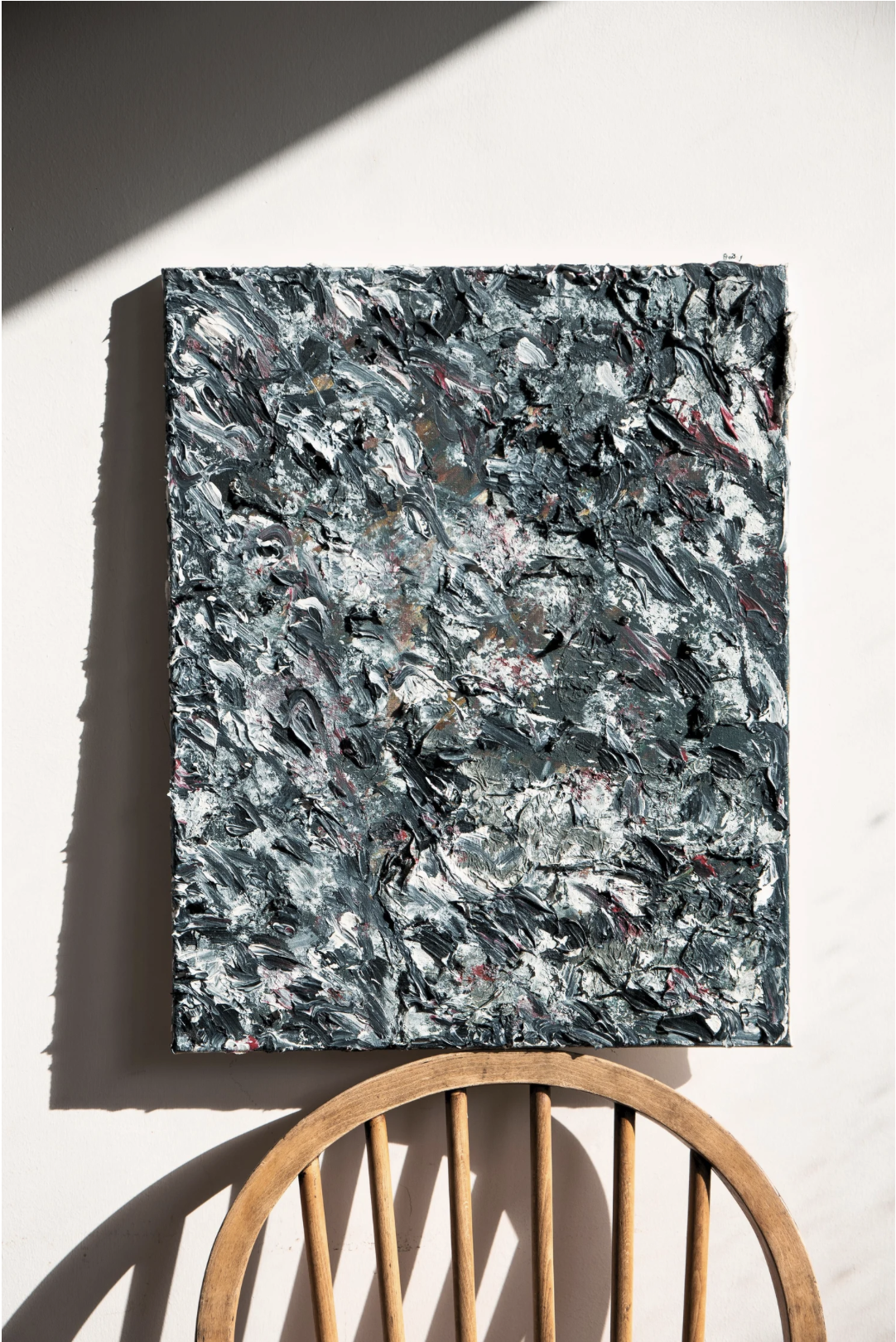
‘Crator’ - Valentina W. Mwazange
Valentina: Yeah. Definitely. So it's, if we go back… Duality is actually the perfect word for this because in terms of like the creative side, I mean, it's the creative side has never been something that I needed to build up until this point because it's something that has always been a part of me, like, even from a young age, anyone like could have told you because down to like the clothes… So firstly, like the outfits and everything, I think, you know, ask anyone industry wide, it's one of those things where it's just like, I’m known for creativeness in fashion, but it's not because I'm trying. It's just because I've gotten to a point where it's like, I just understand the silliness and the versatility of clothes to be able to manipulate them in a way that makes people think that I've got double the size of wardrobe that I actually do. But I'm like, no, I'm just wearing this top as a, you know, as a dress today or whatever. And so like that, like that culminated when I was younger, but in terms.. yeah, I used to, you know, write little songs in school and then, you know, those little songs turned into like little plays and then by the time I got into high school, it was like doing these like huge plays that went to different places and like Europe and stuff to perform, which was awesome and so I had this like big performer like side of me. And even like my A levels are so split because on like one side it was like I did science and like English literature and, you know, all these different things on the other side, it's also like, but you also did theatre studies and, you know, it's just a mishmash of the two.
And yeah, so that kind of, it kind of grew from there because being kind of left and right sided of my brain, there is a lot of like logical and planning and like interest in these kinds of things and, you know, the organisation and the efficiency is something that I just feel like is a part of my personality, equally is this kind of, how far can the imagination stretch? How crazy can a story get, how like ridiculous can things go?
So when I got to the choice of going to university, I had letters from, like our company's directors, just telling us like, please, go into something theatrical and because this is kind of where you're meant to be, and it's not the path that I chose, which whether that's a mistake or not, um, it's not something that I can really like dwell over, but I chose to do something that was way more, um, like intellectually challenging. So, it literally, only because I was inspired by… I’d always been inspired by the.. also the creativity that comes from like politics as well too, because there's just so much there.
Mel: I was going to say there's nothing more theatrical than politics.
Valentina: It’s so theatrical. It's so theatrical. It's so like philosophical and all these sorts of different things because the things that I studied, I was like, you can't tell me that this isn't creative. It's just a different kind of creativity and it's creativity with understanding people, understanding like how things get to where they get to, understanding the philosophy of just, you know, world development and money and, you know, desire and all these sorts of different things. It really taught me kind of how to take really abstract and big things and do them justice by being able to refine them into something that can be explained, but not remove the complexity away from it. And so, you know, now, in hindsight, like I'm, I'm speaking about it, I'm like, yeah, of course, it makes sense that the, the producing and everything because it's kind of like, you know, when you're being taught to think and then you're given the, the structures, but then you also have this like, you know, underlying layer of creativity and innovation that has always been there. When they all come together, it's like, yeah, it makes sense. So when people explain what they think is a really difficult, like, feeling or emotion that they don't really know how to get out, I'm way more inclined to be able to, like, actually sit there with them and be like, do you mean this? Do you mean that? Because I've had to figure out complex things pretty much most of my adult life now.
Mel: And when and when you do work them out for yourself. Do they come out in different ways. Is that right? Do you deal with them in different ways? What's the most strongest medium, do you think, or which is the one that you most go to Because I think, I mean, is there… do you start with a medium or do you start with the idea and then the medium and then how that manifests itself comes out through thought? Or sitting on it for a while or whatever. So which one is your favourite?
Valentina: Yeah, well, I would say that my, the different mediums that I use is usually to process different things. So, Poetry is usually where I go to process difficult emotions, hence probably why they're on the darker side, but it's one of those things where I feel like that feeling in order for it not to live within, it comes out, it like manifests in poetry, and yes, that poetry can look more. You know, uh, intense and quite violent at times, or punchy, should I say? But the thing is, it's like, I need people to understand that it's, it doesn't just sit with narrative. This is quite literally like an a complex emotion like on a piece of paper. Like I've found ways to put it into words and these are the words that live out that feeling. So it's almost like a diary marker of, uh, when things got really, really like difficult. And so like, I, I like it for that sense. Because I feel like if people have asked me, ‘can you write a happy poem?’. I’m like, it doesn't work like that, like, I can't just be like, happy poem or whatever, because I'm like, this is just that medium that I process, like, you know, intense emotions from.
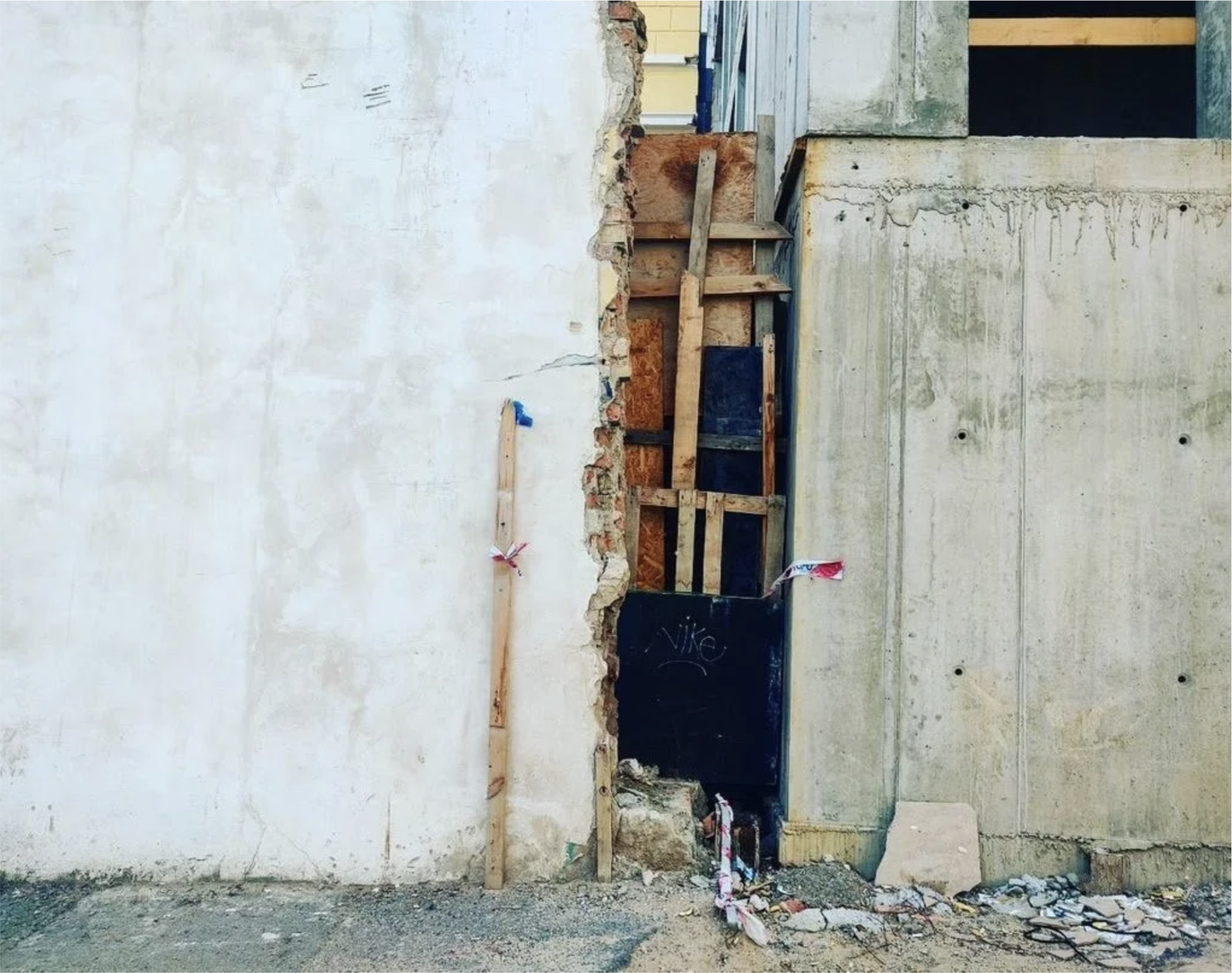
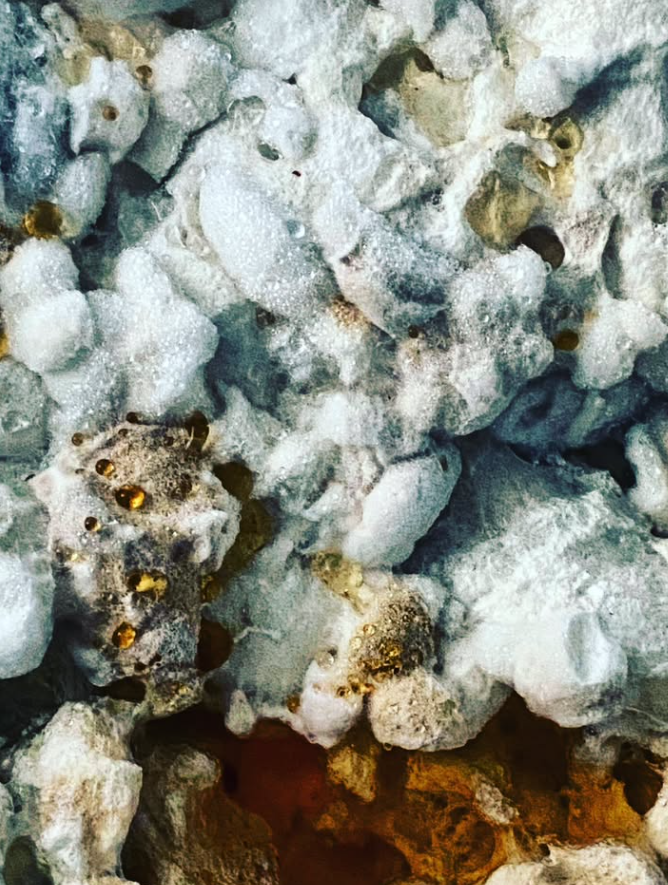
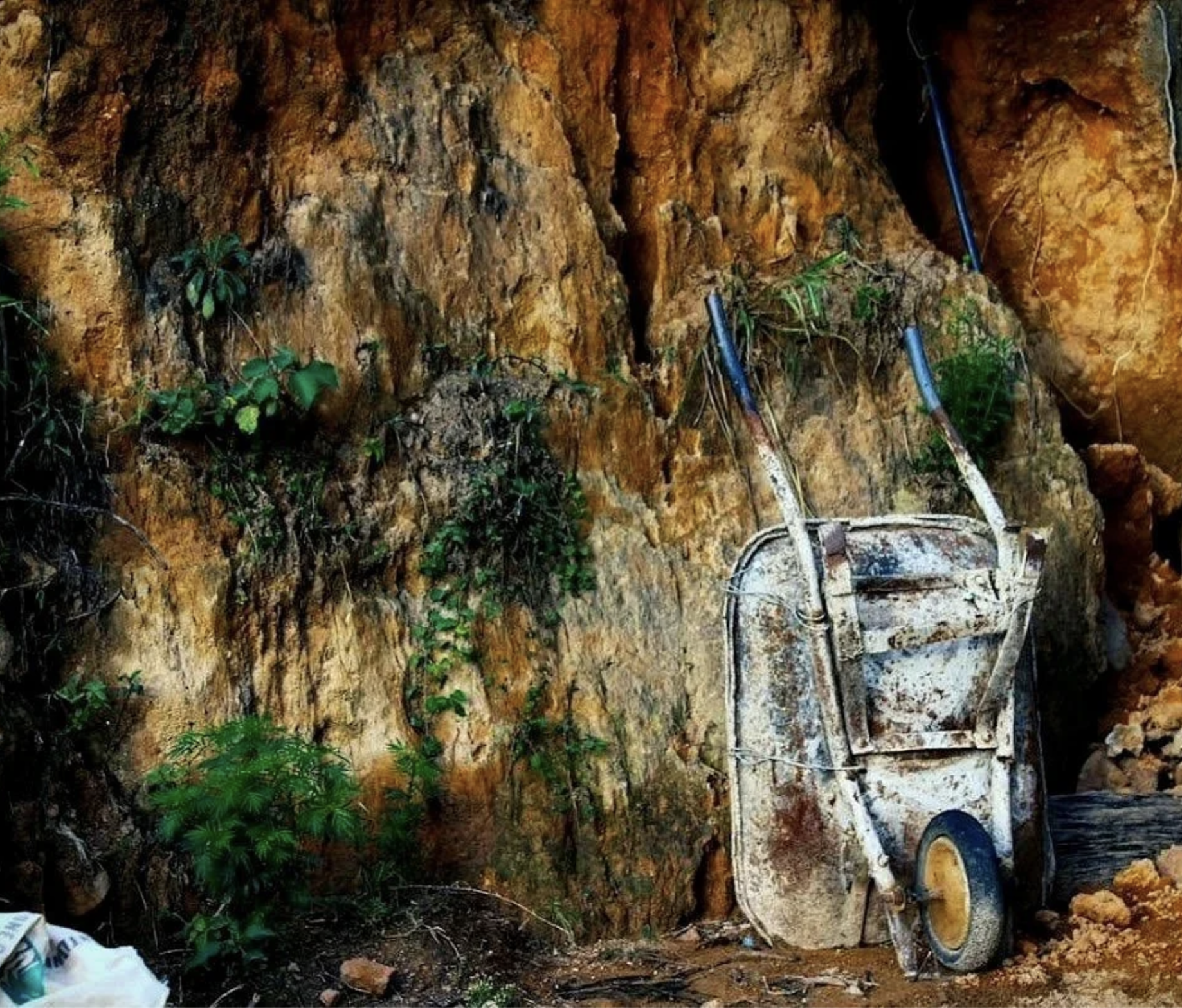
Photography is where I, process kind of observations, my life observation, so you can see like, especially on my Instagram, I take a lot of photos of like textures and things that do look like they're decaying and like architectures, rarely people, but I'm just more interested in capturing things that have shown the passage of people through time as opposed to people themselves because I feel like there's a lot of profound, weird, strange, interesting, calming things that you can find from something that people don't notice.
‘Untitled’ - Valentina W. Mwazange
‘Untitled’ - Valentina W. Mwazange
‘Untitled’ - Valentina W. Mwazange
Then when you look at the film side of things, I think the film side of things, yeah, it usually starts with an idea first and then I can see it in my head and then it's like, okay, let's try and let's try and recreate this, but also be open to the fact that I work with people in such a collaborative way because I explain to them the vision, I’m usually really like detailed in what it is that I've seen and I'm really interested in seeing their opinion of what I've relayed to them. And a lot of the time they understand it to a point where, for example, like my fantastic, one of my closest mates, Joshua Bailey, he’s like a 3D motion, um, motion design and design director. And he just understands my brain so much that I can go, this is the film. This is like kind of like the feeling. What do you think? And he'll go away and work on something that is spot on. And it's like, wow, you've understood it. And so I try to bring people to that level or if they think it can be, they see the vision and they're like, actually it can be like this, then I'm like, okay, let's try it. Like I'm never the kind of person to be like, to block anything off because it actually might just be a better way of explaining that.
So in terms of like my favourite, I'd probably say the photography side of things, mainly, and most of the photography that I take never sees the light of day, but I think it's because it started off as something personal. Like, it's my personal collection of observations of the world.
My poetry processes hard emotion, my film is play. And so picking a favourite is difficult because they all serve different purposes, but they very rarely start with someone like briefing me or whatever. It's very much like a.. okay, this is something that I've been feeling, and let me see how I can create it.
Mel: So for your photography, for instance, I was really interested in it because your photography is really strong. When does it get to the point that it is shown to people on your website, like when you say if lots of people don't actually see it.. it's not like what does it take to get to the website and are any of those photographs collaborative or they are just purely, you. And I'm like, sorry, there's so many questions in that.
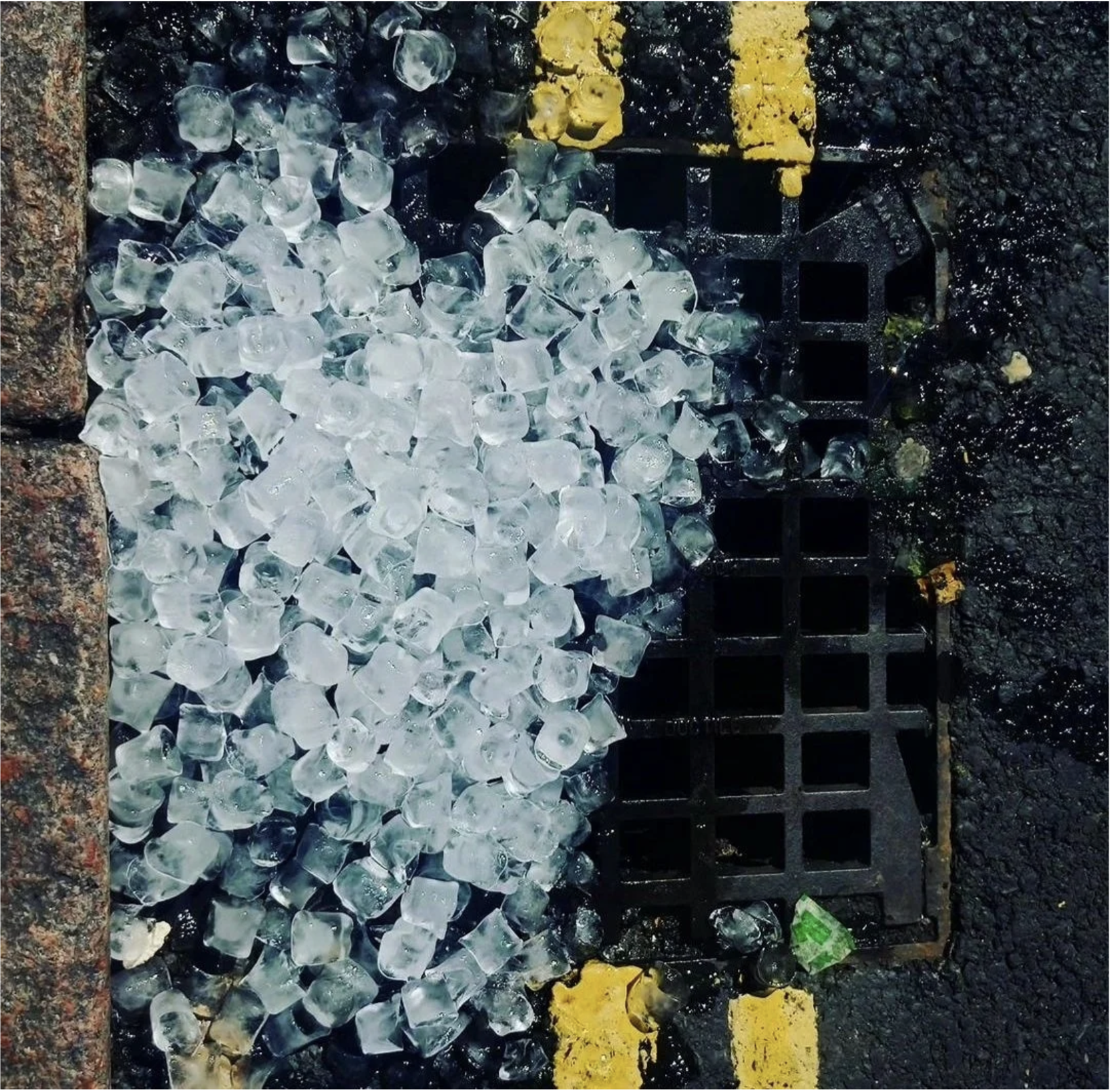
‘Untitled’ - Valentina W. Mwazange
Valentina: Yeah, yeah, that's good. I could definitely break that down. I think, yeah, so that's, that's the part of the, the realised artist version of me that I'm still chipping away at because I think it's one thing you, obviously, investing in your own like craft and like developing that and you, and I think that, especially, the conversations that I have and the things that I see, I always try to.. I don't try to keep on top of trends. I have no interest for trends, but I like to keep on top of, just.. A lot of my inspiration comes from the art world, the actual, like, you know, um, as opposed to like the film world, though I'm all of the things inform each other, I would say that for me to go away and look at a painting and look at it very intensely, it might start to answer questions about things in my life. I don't know. I think I'm just a very visual, visual, an audio visual, like learner and thinker, and so, on my website, that's kind of like my first, you know, kind of like offering to the world of being like, okay, this exists. Let's see how this, you know, let's see how I feel about this. Because I do think it takes a different kind of confidence to, then go on to like market yourself because all of the things that I've done in my life, and I think that's something that I try to like highlight, were never done with money at the forefront. So it's kind of like, how do you monetise a craft that you've just done because this is just completely you into something that could be actually like sellable. And, I know that might not be like the the intended outcome because the intended outcome is like, how are you going to show the world? And I think for me right now is just.. being in spaces and places where creativity is happening aside from all hubris or like, you know, financial gain because, I truly, truly believe that it is like the connections that you have with people that can lead you into the most like serendipitous situations, like completely. And so, I'm doing a lot more open calls, I'm going to a lot more shows, I'm like signing up to these like, you know, members, members clubs, but for like creative collectives that, you know, you pay like a pound for a year, kind of subscription kind of things and really understanding what people are trying to do and how they're doing it because there's the formal ways. But I also want to do some things that aren't necessarily formal per se. For example, like, you know, it's, I've been seeing these people like in Soho that have been writing their poems like in chalk on the floor and it's like, yeah, that's a non-damaging way to get your artwork out there that can be washed away, but it's still doing the impact. And so I'm like, okay. That's making me more interested in what is an informal way of being able to display this that isn't, you know, creating any kind of damage, but isn't necessarily following the quote unquote rules of how you put yourself out there.
So I'd say that, that part is still developing. I'm still like gaining confidence for it, but I'm like, you know, the having the right people around me and the people that I know that regardless of whether this was their work or whatever, because there's so many people. I just think, guys, there's such, so many untapped talent that are just waiting to work and do something. I'm like, these are the ones that, because I kind of want to come up with everybody. Like the idea of like excelling alone.. ugh, I don't see any merit in that.
Mel: So when…do you mean like, collaborating with people or just bringing and influencing people and just makes sense..
Valentina: It’s all of that. It's kind of like creating, and I guess with the hosting, that's what it does in its own right because it's like, it's really, um, encouraging and enforcing a community of people that can still see that regardless of everything, like creativity is still that, at it’s heart, like it's just, I feel that creativity at times can be compromised when the goalpost shifts into, you know, more.. how many people are going to see this, how many awards is it going to win, how many, you know, like those, you know, business focus, you still need to consider these things, but I personally don't think that they should be at the centre and the people that I've met centre being able to express themselves creatively, and I just think with that, they're kind of like, you know, the network is growing with these fantastic people, so then, yeah, you do find yourself being like, right, okay. I want to do this, and this person wants to do that, so I can, I can give you some producing here if you can give me some of your art direction there, and like, I can give you a little bit of this, if you can give me a little bit of music, and so we are all just feeding into each other. So I actually wouldn't be surprised if like, you know, this time in five years, if you're just seeing like, like some of the people was able to floating around in different people's projects because I'm like, that's exactly what's happening.
Mel: Are you working on anything… I mean, are you probably working on a hundred things at the moment. But is there anything you want to like to tell us about. Is there something that specifically you are quite keen to share?
Valentina: Yeah, so at the moment, I am, I've actually just finished a treatment from a script that I began writing about three or four years ago. It just never… it took three or four years for me to completely understand what it was that I was trying to say and it basically, it started off as something that was navigated around trying to like express female rage. But it has grown into so much more. And so it's called Fire Exit. It's going to be a short, I reckon, probably like ten minutes, maybe just a bit over. Actually, no, actually, it could be longer, to be honest with you. I think it depends on how.. the pacing of it. I'm really excited about it because it's, it's not quite what people expect when you read the script next to the treatment. It's one of those things that I am currently, I've encouraged myself to actually start applying for funding because I, I always find that, you know, for me, it's almost like this is.. the uni side of being like the peer reviewing is important. I'm like, I have to peer.. I had to peer review with some people that are exceptional writers, that are incredibly honest and will actually do just have like, you know, again, this whole like creativity at the, like the focus of it. And I've done the whole work chopping off of it. And it went really well. And so I'm, yeah, I am actually, I am now in the position to start applying for funding to actually make it into a reality.
Mel: That sounds absolutely awesome. That sounds amazing. I'm really, really up for.. engaging with something about female rage. I think being perimenopausal and having to go through quite a lot of it. I mean, we all do because of hormones, but when you have you have children, well for me anyway, hormones are like fucked. And you’re really tired and there's so much resentment because it is all down to you being a mother. Again, female rage. And it's, but it's so.. it’s so nice. Like, I really love to hear about it and I love to be able to connect with it because I think we're all just sort of made to be quiet a lot of the time. And I love that's what I love about you. A lot of your work. It's very feminist. It's very… it’s just, you know, honest.
Valentina: Yeah, I think that's it. Just exactly it. It's like, guys, I'm just trying to be honest, which is hilarious, but I, yeah… I think you'll like it because it's also, as somebody.. As of last year, I started, you know, speaking about it, because I can see how beneficial it has been, because I have like PMDD, which is, you know, it's the..
Mel: That’s the really hardcore PMS..
Valentina: Yeah it’s way more hardcore version of PMS and it, you know, it includes all facets of crazy things inside of it, but it's one of those things where it's never been.. In a weird way, it’s actually kind of helped with the creative side of things, mainly because it's just like, again, it's like when people are like, can you explain this really intense emotion and I'm like, yeah, I can because I felt it, you know, I felt like, you know, a lot of people, for example, like with rage, it's like, you might have experienced anger and everything, but rage is very different, to irritation or annoyance or whatever, and it's, you know, it's more complicated than what it looks like from the surface and it's way more… Sad than it looks like on the surface too, because I feel like, sometimes rage comes from more of a place of sadness than it does of a place of anger. And, you know, just all of these different things and I feel like that's informed. So it might not, though I'm never trying to be like, oh this is, for this kind of an audience, I just very much, I'm like, this is the truth that I'm trying to tell and if people can find some, you know, levity, reflection, maybe some calm in it. Then that's when I know that it's going right. So for example, you know, you might read a poem that makes you feel violent on a day that you don't necessarily feel like that, then you read it again on a day that you do, you might be surprised of how much it calms you down.
Mel: Hmm… yup. Because you can relate, right? You're like, oh, okay, I'm not the only one.
Valentina: Yeah. Exactly. And it's almost like, well, if I can distil these like, you know, encapsulate things that, I almost kind of want to see it as like an insight. Yeah, maybe my art, that'd be a funny way to phrase it, like an encyclopaedia of feeling. And then I'll just be like, just signpost yourself to the feeling that you feel and I'll probably have something there for you.
Mel: Yeah, maybe that can just be like your menu on your website or something. Or maybe you have an exhibition one day where every room is a different emotion. Go in there and just go, ah, thank God.
Valentina: You just come out feeling like relieved and like you've shed something and I'm like, yeah, perfect.
Mel: Oh, it's wonderful. I think I'm so excited to see all the work that you produce because you're clearly like you're going through a very prolific stage. And maybe that's because you've had the, the, um, production practice, that it's all sort of coming to a fore and it's, it's so wonderful to kind of hear about it. Is there anything else you'd like to share?
Valentina: I mean, I think it’s.. it's just generally one of those things where I.. it 's kind of like being aware of like where the world is, where like societies are, where culture is and, you know, the directions that everything seems to be moving in. But, I am a very staunch believer in, you know, art for art sake, and I'm a very staunch believer that art can save your life because I've seen it, you know, and I've seen it and it's, it's almost, it's almost like, you know, when you have like a religious practice or like a spiritual practice, it's one of these things where it can give you all of the things that you put into it, like back to you, and it might not happen in the way that you think it will. This isn't even like a PSA for like, you know, keep going and it will happen. It's just more. Do it for yourself. Always. Paramount. Like, regardless of whether people are watching or not. Yeah, I just think regardless. For everybody, just do it for yourself. And you'd be surprised on the kind of like, you know, the artist you become for yourself. And for me, that has been, you know, when people speak about like gut instinct, that has been something that I'm like, okay, this is what that gut instinct means for me. I'm just like regardless of anything that happens, everything that I do in this space is because there are things within me that need to come out and need to be captured in a way so that in twenty, thirty years time… I, you know, when when I don't have my, well, my looks and my youth or anything with me, I've got this collection of stuff that I can go, well, this was my life. So I think that would be beneficial to anyone, you know, you just… it’s these little treasures that you pick up along the way that you think are probably some nonsense that you have on a hard drive, but I'm like, no, no, that is evidence that you lived.
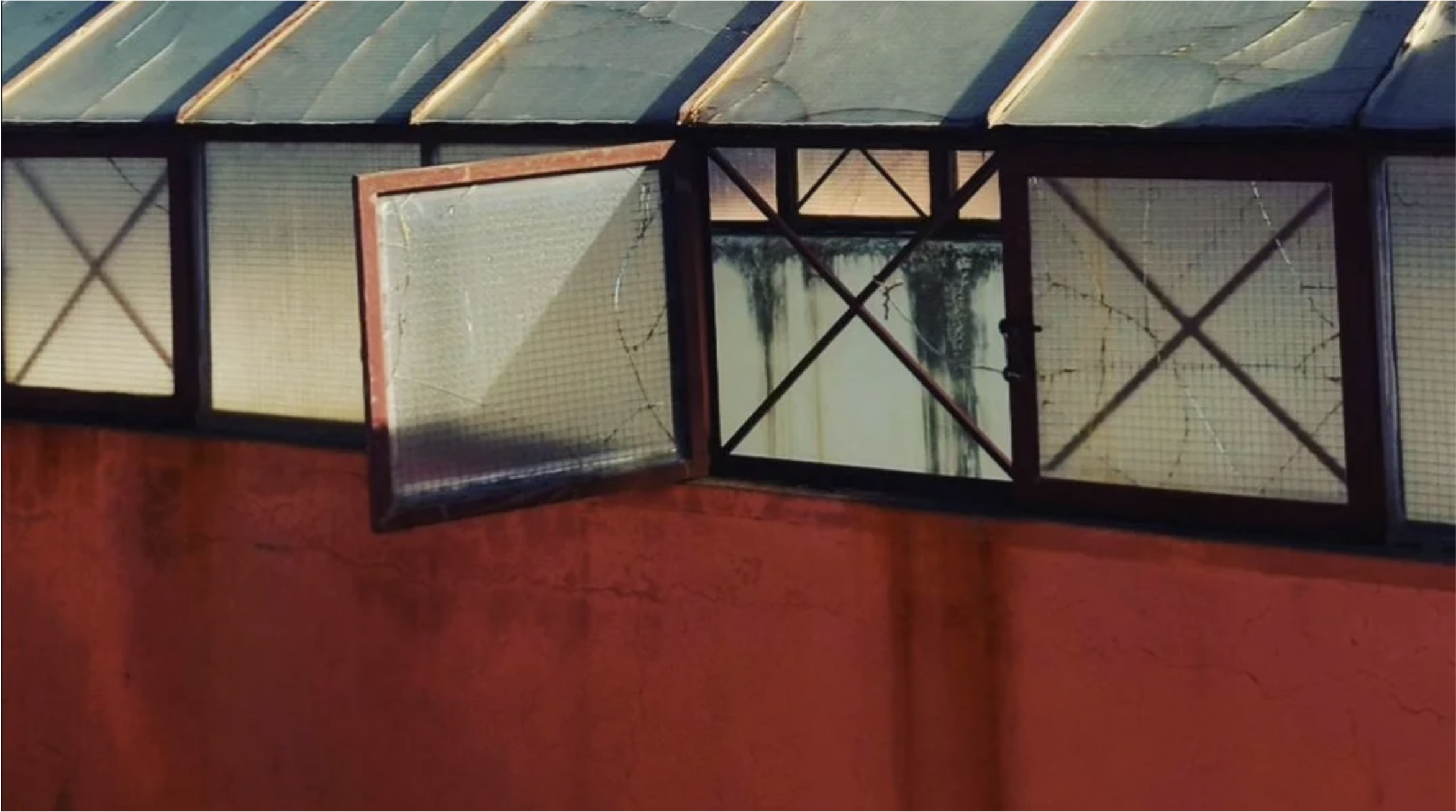
‘Untitled’ - Valentina W. Mwazange